
Group festival trips fall apart at three predictable points: the ticket-buying moment, the morning of departure, and the first time someone wants to see a different act.
Each problem has a fix. Set them up in advance.
Budget and cost-splitting
Money is the most common source of group tension. The fix is agreeing on a total per-person budget before anyone books anything.
- 💰 Set a ceiling: agree on a per-person total including tickets, travel, accommodation, and a daily spending allowance. A UK weekend festival runs £300 to £600 all in. An international festival (Tomorrowland, Primavera) can reach £1,000 to £2,000.
- 📱 Use Splitwise: one person books everything and logs it in Splitwise. Everyone settles at the end of the trip. This avoids the 'I'll pay you back' spiral.
- 🎟️ Shared card or kitty: for on-site spending (food, drinks, merchandise), a group Revolut or Monzo account with each person's daily contribution works better than splitting every purchase.
- ⚠️ Deposit and refund policy: check cancellation terms before booking accommodation. If one person drops out, know whether the whole group loses the deposit or just that person.
- ✅ Agree on a food budget before departure. One person's 'we can eat cheaply' is another's £25-a-day minimum.
- ✅ Book tickets on the same card to get them all in one booking reference. This is easier for entry and for refund requests if the event is cancelled.
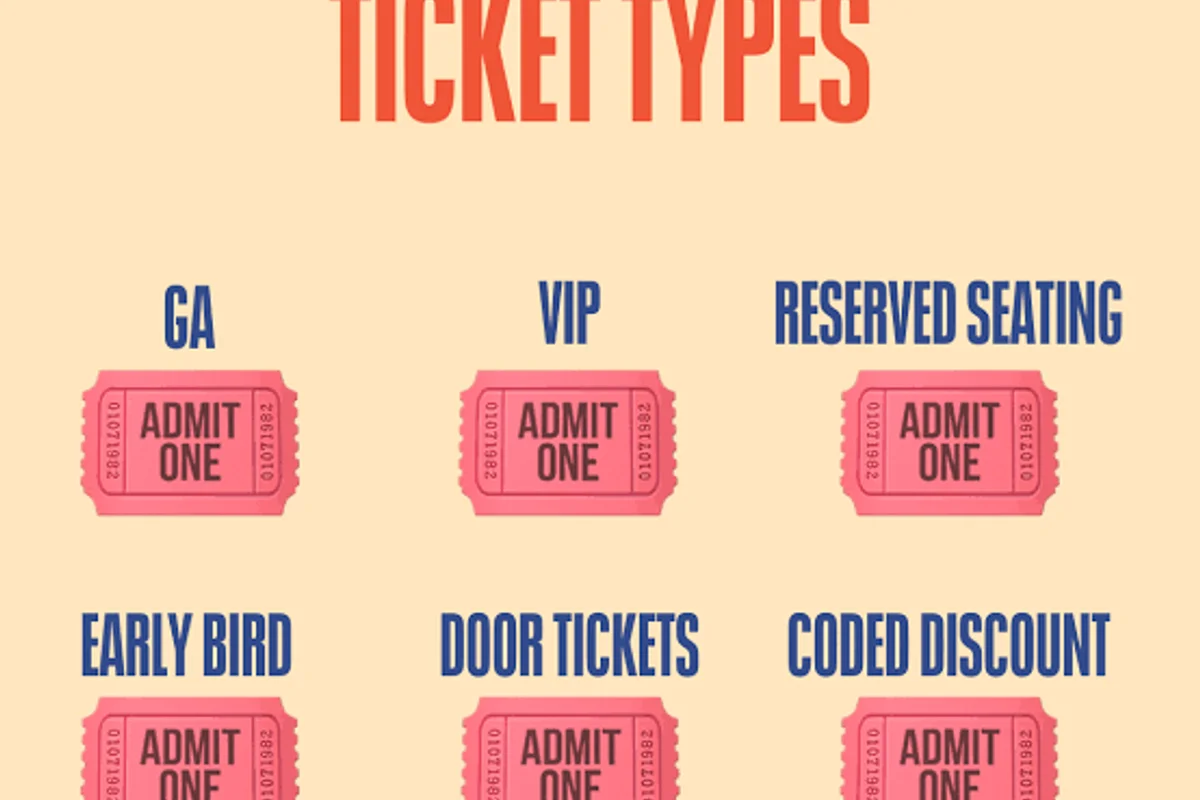
- ✅ If budgets within the group genuinely differ, accommodate it: GA vs. VIP, different accommodation tiers, each person books their own.
Travel coordination
Groups travelling together lose 2 to 3 hours at departure because someone is late. One person's late train ruins the convoy.
- 🚗 Driving: one or two cars, agreed pick-up order, departure time with 15-minute buffer, and a specific meeting point (not 'in front of the house'). Split petrol and tolls in Splitwise.
- 🚆 Train: book in advance as a group only if you are confident everyone will make that specific train. Otherwise, book individual tickets with a shared target departure and meet at the platform.
- ✈️ Flying: group flights are harder to coordinate than individual bookings. Each person books their own and meets at the destination. Cheaper and more flexible.
- 🏕️ Arrival window: festivals open camping at specific times (Thursday or Friday morning). Agree whether you are arriving together or whether later arrivals join independently.
- ✅ Share a live location on the day of travel (Google Maps or WhatsApp location sharing) so the group can find each other without calling.
- ✅ Agree the luggage rule: one person cannot delay everyone because they overpacked.
- ✅ For car travel, designate a navigator who is not the driver. Arguing with Google Maps while driving is a reliable way to start a festival badly.
Accommodation
Camping together sounds obvious until half the group wants to party until 4am and the other half wants to sleep. Settle this before booking.
- 🏕️ Camping zones: most festivals have quiet camping, general camping, and late-night camping zones. Put the morning people in quiet camping, the night owls in general camping, and accept that you will not all camp together.
- 🛏️ Boutique/glamping: more expensive but solves the accommodation problem cleanly. Beds, lockable tent, no pitch setup. Book early. It sells out first.
- 🏨 Off-site accommodation: hotels or B&Bs 3 to 10km from the site. Better sleep, no mud, a proper shower. Requires return transport each night.
- 🚐 Campervan: locks in arrival and pitch. Comfortable for 2 to 4 people. Costs £300 to £600 per weekend for hire, plus fuel and the festival's campervan pass.
Setting expectations before you go
Most group trip conflicts come from one person assuming something that no one discussed. A 10-minute conversation before the trip prevents most of them.
- ✅ Which acts are non-negotiable? Make a list per person. You probably agree on 80%. For the other 20%, accept that you will split and meet up after.
- ✅ What time does the group start and end each day? Morning people and night owls on the same festival schedule is a tension point from day 1.
- ✅ Solo time: agree that everyone is allowed to go off alone. No obligation to do everything together.
- ✅ Phones and check-ins: agree on a check-in frequency, such as 'we message at noon and 8pm'. Searching for a missing friend in a 100,000-person crowd is not fun.
- ✅ Drinking and substance use: talk about this before, not during. People have different limits and different stances. Surprises here cause real conflict.
A group WhatsApp with a shared document (Google Sheets or Notes) listing acts, stages, and times takes 20 minutes before the trip. Each person adds the sets they want to catch. It removes most of the planning friction on-site.
On-site logistics
- 📍 Meeting point: pick one landmark (a food stall, a stage, a distinctive structure) as the default meeting point before departure. Mobile signal at festivals is unreliable.
- 🔋 Charging: portable batteries (20,000mAh minimum for a 3-day festival) and a clear agreement about who charges the navigation phone first.
- 🎒 Group bag rule: one person carries the group first aid kit, sunscreen, and a compact emergency kit. Rotate each morning.
- 💬 Lost member protocol: if someone does not check in at the agreed time, the meeting point is the first place to look. The medical tent is the second.
For advice on keeping your belongings safe when moving through large crowds, read our solo festival travel safety tips. Most of the principles apply to groups.