A festival outfit has to look good in photos and survive 12 hours on your feet in changing weather.
These two requirements are in tension. Here is how to resolve them.
The real brief: comfort over aesthetics
By day two of a 3-day festival, nobody is making fashion decisions. The people who planned for comfort are still wearing their full outfit. The people who prioritized aesthetics are barefoot, blistered and carrying their boots.
- 👟 Footwear is everything: more outfits fail because of the shoes than any other item. If your shoes cannot survive 8 hours of standing and walking on grass, mud or gravel, they are the wrong shoes.
- 🎒 Carry capacity matters: everything you need for the day : sunscreen, a rain jacket, phone charger : has to fit somewhere. Build your outfit around a bag that works.
- 🌡️ Layer for temperature swings: mornings are often 10°C cooler than afternoons. An outfit that works at noon in the sun needs a layer for the headliner at 11pm.
- 🏷️ Plan to get it dirty: festival clothing gets dusty, muddy or spilled on. Wear things you are comfortable losing or washing aggressively.
Summer and hot weather festivals
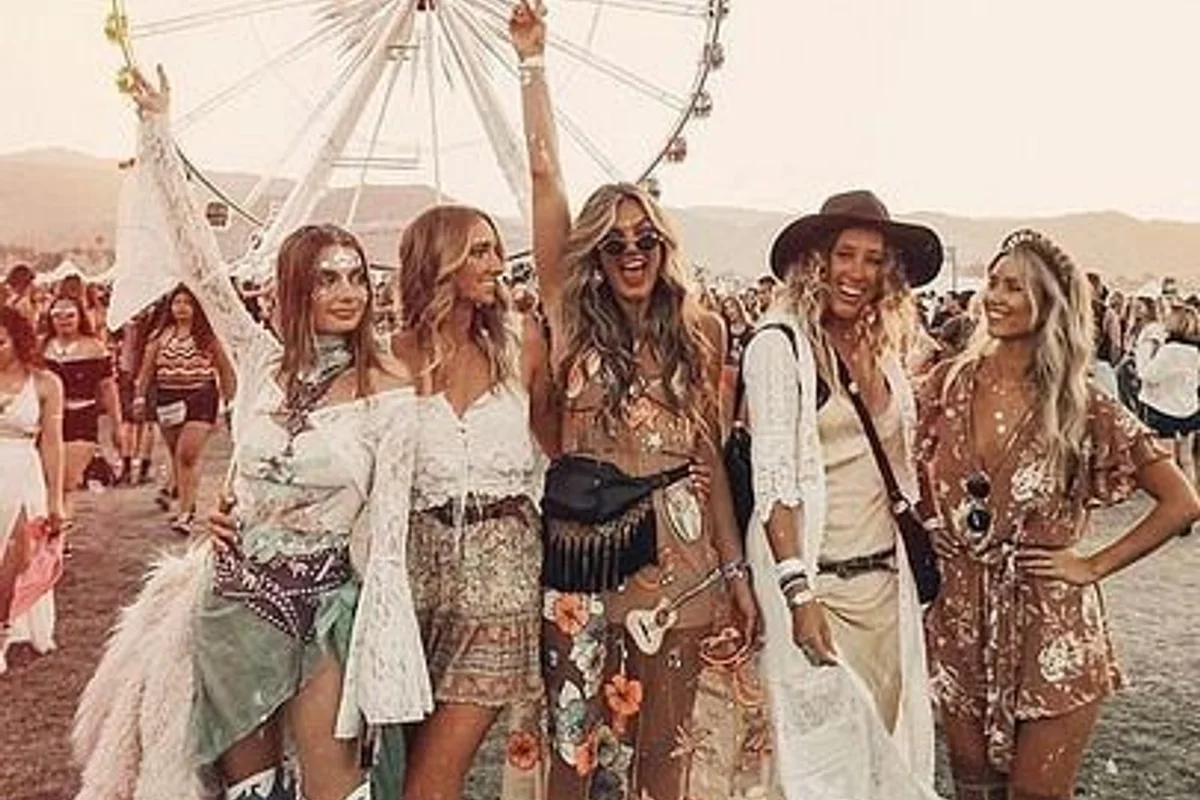
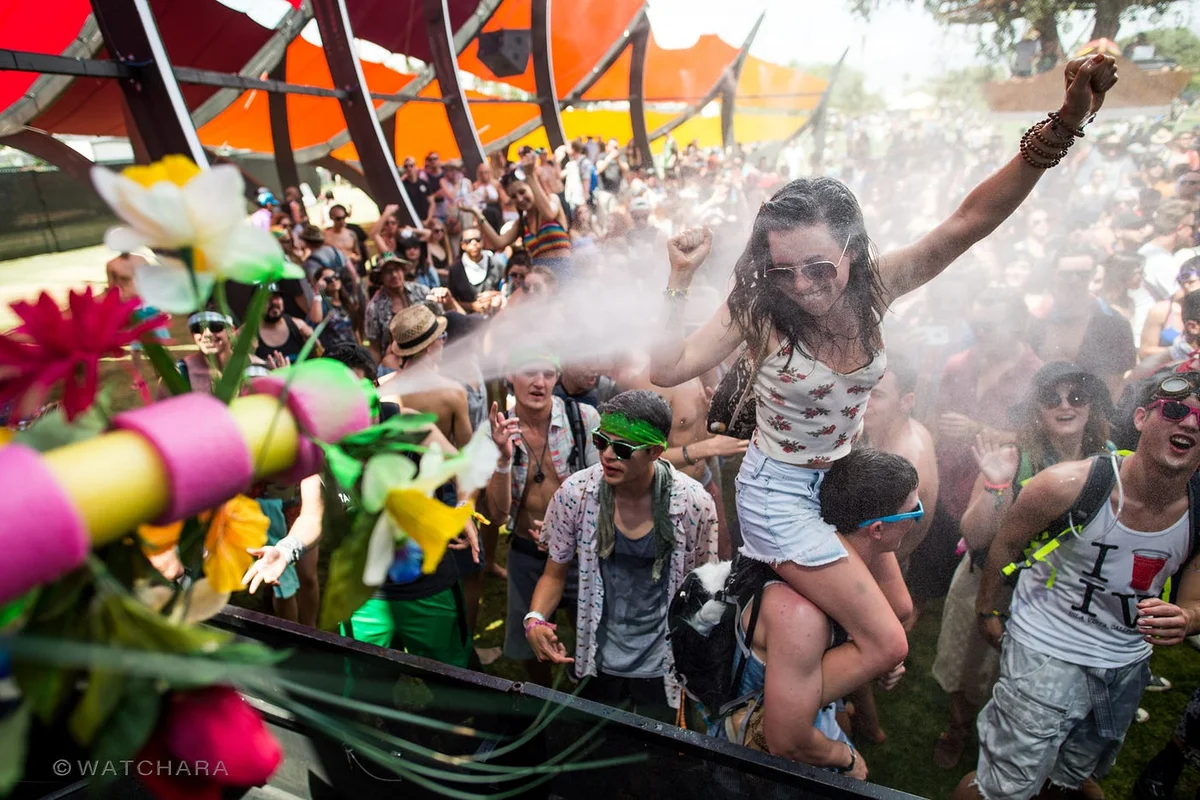
Hot weather festivals (Coachella, Primavera Sound, Tomorrowland in summer heat) have a clear dressing logic: minimize material, maximize sun protection.
- 👕 Lightweight, breathable fabrics: linen, cotton or moisture-wicking synthetic. Avoid polyester that traps heat.
- 🕶️ Sunglasses with UV protection: aesthetically important and actually useful.
- 🧢 A hat that stays on: wide-brimmed hats offer better sun protection than caps but can be awkward in crowds. A cap with a neck cover is a practical compromise.
- 🧴 SPF 50 on everything exposed: reapply every 2 hours. A small bottle fits in a belt bag.
- 👡 Flat sandals or sneakers: for dry, grassy festivals sandals work well. Avoid heeled sandals on any uneven terrain.
- ✅ A lightweight long-sleeve shirt can be a better sun protection option than repeated sunscreen reapplication
- ✅ Light colours reflect heat. Dark colours absorb it and are warmer on sunny days
- ✅ A small belt bag or crossbody bag keeps your hands free without the weight of a backpack
Spring and autumn: mild and unpredictable
The UK and northern European festival season often means 15 to 22°C with the possibility of anything. Glastonbury in June. Download in June. Spring festival weekends in the Netherlands or Belgium. These require a layering strategy.
- 🧥 A thin packable layer: a fleece or light windbreaker that compresses to bag-size. This is the item most people leave home and regret.
- 👖 Jeans or durable trousers: comfortable in mild temperatures, protects legs from sun and bugs, survives grass and mud better than shorts.
- 👢 Chelsea boots or ankle boots: comfortable for standing, look good, and handle mild mud. Not full wellies, but closer to practical than trainers on potentially wet ground.
- 🎒 A day backpack: in mild weather you need more layers, which means more to carry.
Rain and mud: the honest advice
If your festival involves camping and the UK, assume mud. Adapt accordingly.
- 🥾 Wellington boots (wellies): the only solution to thick mud. Ankle-deep mud defeats every other footwear option including hiking boots. For Glastonbury or any camping festival after heavy rain, wellies are not optional.
- 🧥 A real waterproof jacket: not a rain mac, not a poncho. A jacket with sealed seams and a hood that actually covers your head.
- 👖 Waterproof trousers or festival-specific trousers: optional but worth having for full days of rain.
- 🎒 A waterproof bag or dry bag for phone and battery: the thing most people don't think about until it's too late.
- ✅ Pack a second pair of socks for day two. One damp pair changes the experience entirely.
- ✅ Tie-dye, bright patterns and festival-specific prints actually work well in mud : they hide the dirt better than solid colours
- ✅ Gaiters over wellies keep mud off your lower legs during particularly bad conditions
Evening and night sets: the temperature drop
Outdoor temperatures drop significantly after sunset, especially at camping festivals in the UK or at high-altitude events. What you wore at 3pm will not be enough at 11pm.
- 🧣 A packable scarf or buff: takes up almost no space, adds meaningful warmth around the neck and face
- 🧤 Light gloves: optional for UK summer festivals but welcome at any autumn event or high-altitude venue
- 👕 Thermals under your main outfit: base layers worn under a t-shirt and jeans can keep you warm without changing your look
What to leave at home
- 🚫 Heels of any kind: on any festival terrain except a flat indoor floor, heels are a liability
- 🚫 New shoes you have not broken in: a festival is not the occasion. Blisters from day one make the weekend miserable.
- 🚫 Your favourite or irreplaceable clothing: assume it will get dirty, lost or damaged
- 🚫 A large shoulder bag: it will hit people all day. A backpack or belt bag is more practical and more considerate in crowds.
- 🚫 Elaborate hair and heavy makeup: both suffer in heat, humidity, rain and dust. Go for looks that last without maintenance.
Before you pack, check our festival packing list guide and rain festival guide for the full preparation breakdown.