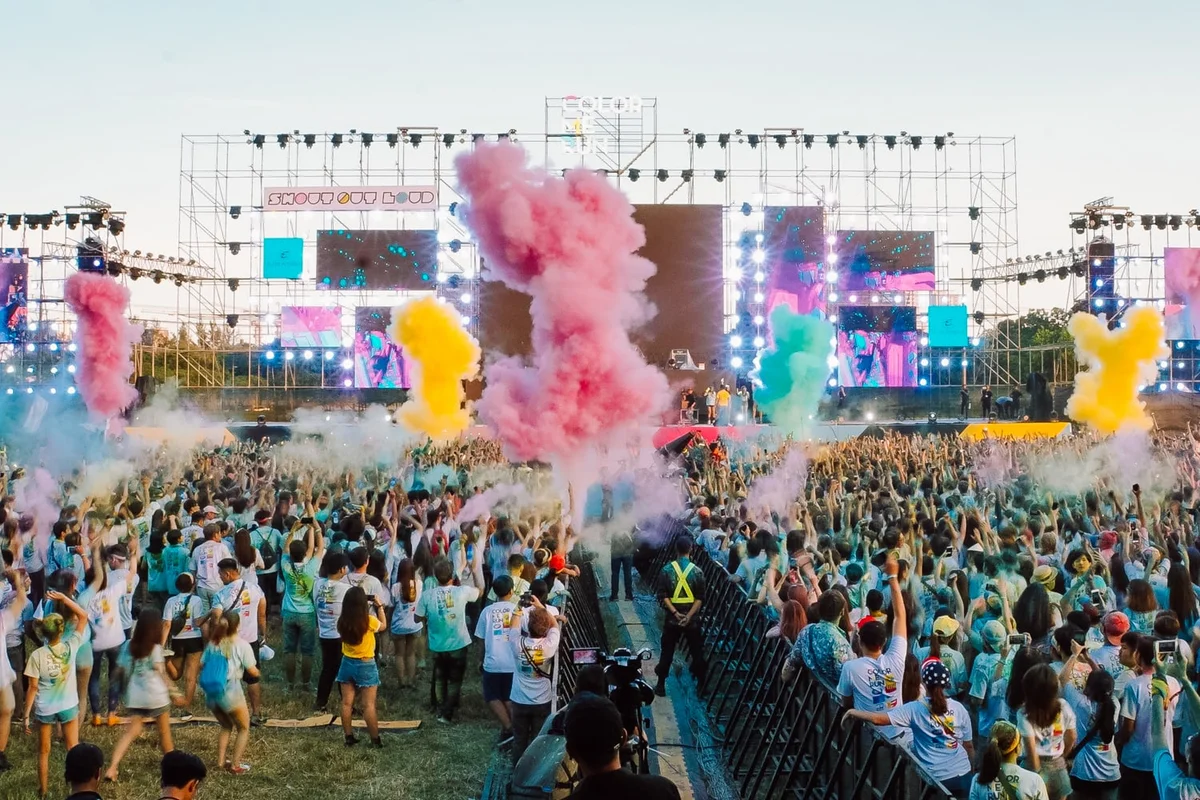


Where you sleep at a festival shapes the whole experience. Not just comfort : it affects how late you can stay, how much you spend, and how easily you can go back and rest.
None of the three main options is objectively better. The right one depends on the festival, your group and what you actually value.
Festival camping: the full experience
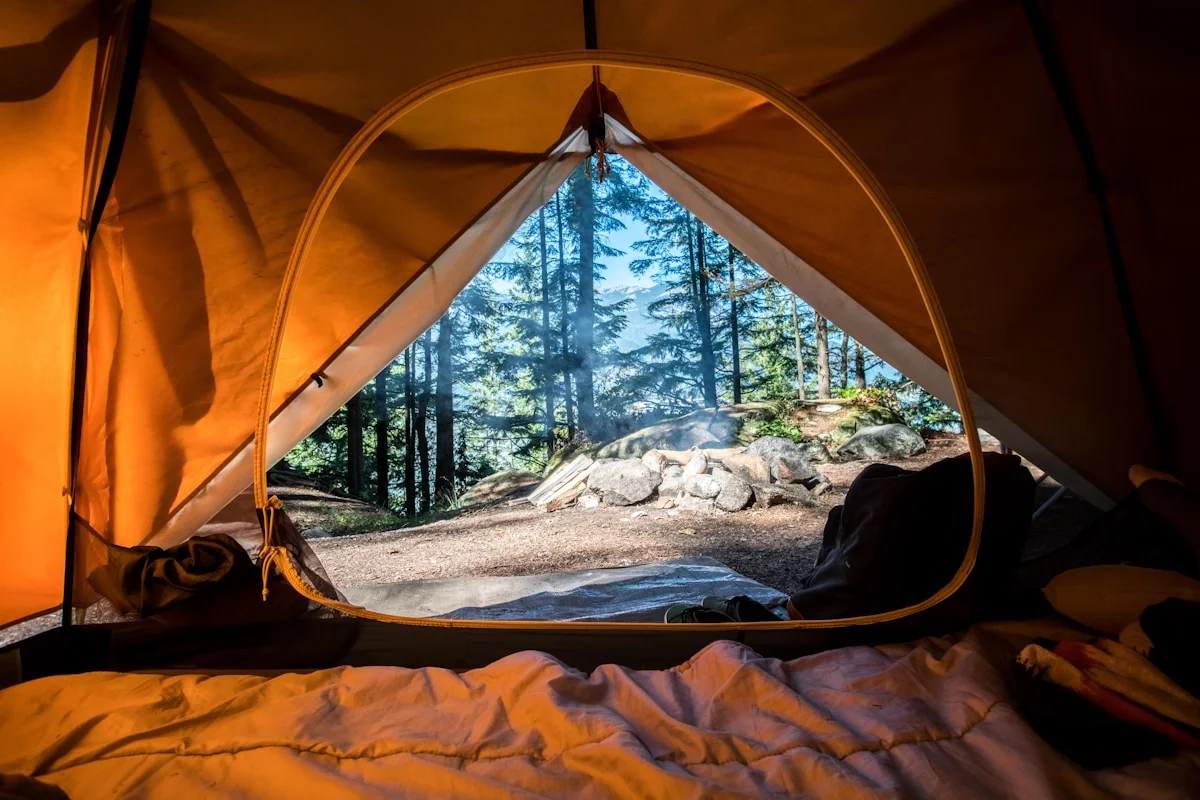
On-site camping is the default for multi-day festivals in the UK and most of Europe. It's usually the cheapest option and the one that keeps you closest to the event.
- ✅ Pros: no transport to the venue, maximum flexibility on arrival and departure times, social atmosphere, often the cheapest option when included in the ticket
- ❌ Cons: poor sleep quality (noise, heat, thin mattress), shared bathrooms, gear to carry, everything stays in a tent all weekend
- 💶 Cost: often included in the festival pass. Separate camping upgrades (car camping, premium zones) run €30 to €150 extra.
- 🌿 Best for: multi-day festivals with on-site camping culture (Glastonbury, Hellfest, Vieilles Charrues, Download). Groups of 3 to 6 who want to stay together.
The quality of camping varies enormously between festivals. Glastonbury has a working shower system and phone charging stations. Smaller festivals may have two toilets for 3,000 campers. Research the specific festival before assuming camping is comfortable.
- ✅ Arrive early on day one to claim a good pitch : close to toilets but not directly beside them
- ✅ A sleeping mat is more important than a sleeping bag for festival camping
- ✅ Bring a padlock for your tent zip if you leave valuables inside
- ✅ Noise-cancelling earplugs are not optional
Hotel near the venue: comfort at a price
A hotel gives you a real bed, a real shower and a real breakfast. It also separates you physically from the festival site and costs significantly more than camping. Compare live hotel prices before you lock in a booking : rates for the same room can vary a lot between search engines.
- ✅ Pros: real sleep, private bathroom, secure space for valuables, easier to get changed and presentable
- ❌ Cons: distance from site (requires transport), higher cost, rigid checkout times, can't easily pop back to rest
- 💶 Cost: €80 to €300 per night during festival weekends, depending on proximity and quality. Prices spike 30 to 100% versus non-festival weekends.
- 🏨 Best for: one or two-night festivals, urban festivals close to public transit, solo travellers or couples who prioritize sleep
Book immediately when you buy your festival ticket. Hotels within walking distance of major festivals sell out within hours. Booking a refundable room the day you buy your ticket costs nothing if you cancel later — or if a non-refundable rate is the only one left, travel insurance covers you if you end up unable to go.
- ✅ Check whether the hotel runs a shuttle to the venue : some do
- ✅ Compare checkout time to the last day's schedule: 11am checkout on the final day may cut into your morning
- ✅ Hostels near the venue offer a cheaper middle ground, often with better social atmosphere than a standard hotel
Airbnb and short-term rentals: best for groups
A house or apartment rental becomes the most cost-effective and comfortable option for groups of four or more, especially for multi-day festivals.
- ✅ Pros: private space for the whole group, kitchen for meals, multiple bathrooms, laundry access, freedom to keep your own hours
- ❌ Cons: less social than camping, requires coordination for transport, host rules may limit noise or guests
- 💶 Cost: €150 to €600 per night for a full property, divided by 4-8 people, often competitive with individual hotel rooms
- 🏠 Best for: groups of 4 to 8, families, or anyone wanting a private base for a 3 to 5-day stay
Prices on short-term rental platforms spike aggressively around major festival weekends. A property that costs €100 on a normal weekend can reach €400 or more. The earlier you book, the more options you have before the price surge hits.
- ✅ Filter by maximum guest count and confirm the host explicitly allows festival guests before booking
- ✅ Check the distance and transport options carefully: 10km without a car is very different from 10km with one
- ✅ Look at properties in the next town over : often 40% cheaper with a 10-minute drive difference
Other options worth knowing
- 🚐 Campervan and motorhome: many festivals have dedicated vehicle camping areas. Expensive to rent if you don't own one, but the most comfortable festival accommodation available.
- ⛺ Glamping: pre-pitched bell tents, yurts or cabin pods sold directly by the festival. Available at Glastonbury, Bestival and others. Comfortable, expensive (€200 to €600 for a weekend), and sells out first.
- 🏕️ Local campsite: a commercial campsite near the festival is often cheaper than on-site camping, with better facilities. Requires a vehicle or shuttle.
- 🤝 Staying with locals: platforms like Couchsurfing or local Facebook groups sometimes have hosts near major events. Risky without reviews, but free.
How to choose for your situation
- 👤 Solo traveller: camping (meet people) or hostel. Hotel is isolating and expensive per person.
- 👫 Couple: hotel or Airbnb near the site. Camping is doable but less comfortable than other options.
- 👥 Group of 4-6: Airbnb if it's cost-competitive; camping if everyone's up for it and the festival has good camping.
- 👨👩👧 Family with kids: hotel or Airbnb, always. Festival camping with young children is hard work.
- 🎸 Immersive experience priority: camping. The morning atmosphere in a festival campsite is part of the experience.
- 😴 Sleep quality priority: hotel or Airbnb, no question.
When to book each option
- ✅ Camping: add it to your basket when buying the festival ticket. On-site camping upgrades sell out fast.
- ✅ Glamping: buy the same day as the festival ticket. These sell out in hours.
- ✅ Hotel within 2km of a major festival: book within 48 hours of buying your ticket.
- ✅ Airbnb: book within 1 week of buying your ticket, as soon as you have confirmed dates.
- ✅ Hotel 10+ km away: can wait 2 to 4 weeks, but don't push it for July-August weekends.
Once you've sorted accommodation, check our festival travel insurance guide : your booking may be covered if the festival cancels or you can't attend.