You land at 7am. The festival opens at noon. You haven't slept properly in 36 hours. This is the scenario most international festival-goers stumble into.
Jet lag is manageable. Not always eliminable, but manageable. The difference is preparation that starts before you board.
Why jet lag hits harder at festivals
Jet lag at a festival is worse than jet lag at home because you can't recover normally. At home, you sleep when your body says sleep. At a festival, you stay up until 2am watching headliners, wake at 8am because the tent is too hot, eat irregular meals and drink more than usual. Every one of these compounds the circadian disruption.
- 🌍 Eastward travel is harder: flying from the US to Europe means losing hours. Your body wants to sleep during the afternoon set. Westward travel (Europe to US) is generally easier to adapt to.
- ⏰ The 3-day rule: most people need around one day per time zone crossed to fully adapt. A 6-hour difference takes roughly 6 days. You won't be fully adapted by day one of the festival.
- 🍺 Alcohol makes it worse: alcohol disrupts REM sleep, which is already compressed by jet lag. Two drinks at an outdoor stage feel like four when your body thinks it's 4am.
- ☀️ Light is the reset mechanism: your circadian clock is set almost entirely by light exposure. This is your main tool.
Before you fly: shifting your schedule
Start 3 days before departure. The goal is to shift your sleep window toward your destination's timezone before you board.
- ✅ Flying east (Europe to US): go to bed 1 hour later each day for 3 days. Expose yourself to bright light in the evening, avoid it in the morning.
- ✅ Flying west (US to Europe): go to bed 1 hour earlier each day. Get bright light exposure in the morning, wear sunglasses in the evening.
- ✅ Melatonin: 0.5 to 1mg taken 30 minutes before your target bedtime at destination helps shift the clock. Use the lowest effective dose : higher doses don't work better.
- ✅ Avoid alcohol and heavy meals the day before: your liver needs to process both, adding load during adaptation.
- ✅ Book a morning arrival if possible: arriving in the morning at your destination gives you a full day of natural light to anchor your new clock.
On the plane
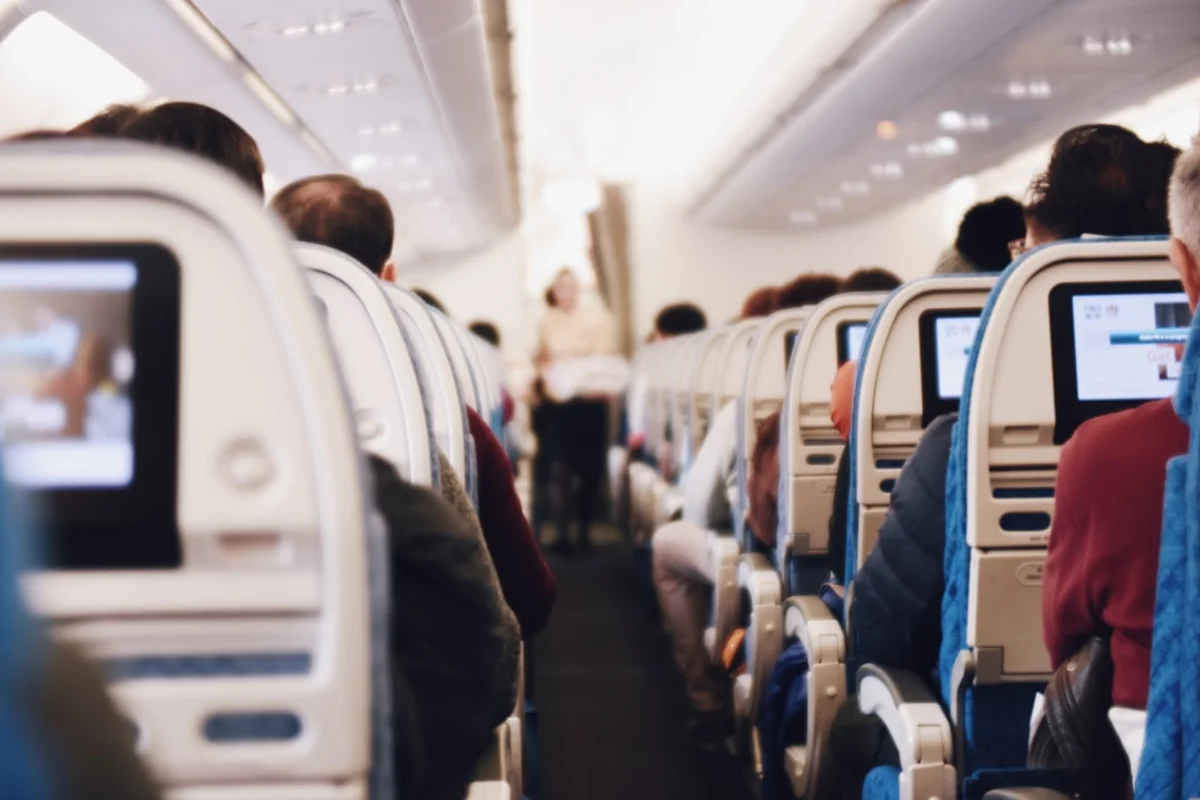
Set your watch to destination time immediately. Make your decisions on that clock, not your home timezone.
- 😴 Sleep if it's nighttime at destination: use an eye mask, earplugs and a neck pillow. Avoid screens for 30 minutes before sleeping.
- ☀️ Stay awake if it's daytime at destination: walk the aisle, watch films, avoid the temptation to sleep just because you're bored.
- 💧 Hydrate aggressively: cabin air is extremely dry, worsening fatigue. Aim for 250ml of water per hour of flight.
- 🍽️ Eat on destination time: skip the meal if it's nighttime where you're going. Eat if it's daytime.
- ☕ Avoid caffeine in the last 6 hours of the flight: it will interfere with sleep on the first night.
Arrival day: the most critical 16 hours
What you do in the first 16 hours after landing determines how fast you adapt. The instinct is to nap. The correct move is to resist it.
- ✅ Get outside immediately: natural light is the most powerful circadian signal. Even 20 minutes outside on arrival helps.
- ✅ Push through to local bedtime: if you land at 7am, stay awake until at least 10pm local time. One solid night of sleep at the right local hour matters more than a nap.
- ✅ If you must nap: cap it at 20 minutes before 3pm local time. A longer nap destroys your ability to sleep at night.
- ✅ Light exercise helps: a walk, a swim, any light activity keeps you alert and signals daytime to your body.
- ✅ Caffeine strategically: use it in the first half of the day only. Cut off by early afternoon.
If the festival starts on arrival day, prioritize the evening headliner over the afternoon sets. You'll be more awake and the experience will be better.
During the festival
- 🌅 Morning light exposure: even 15 minutes of sunlight before 10am anchors your circadian clock to the new timezone faster than anything else.
- 💊 Melatonin at night: 0.5mg taken 30 minutes before target sleep time for the first 3 nights at destination.
- 🛌 Protect your sleep window: festival culture pushes toward staying up until 3am every night. Choose one or two late nights and protect the others.
- 🚫 Limit alcohol on the first two nights: this is the hardest advice and the most impactful one.
- 🥗 Eat at local mealtimes: eating anchors the gut clock, which in turn reinforces the circadian adjustment.
Quick reference by route
- 🇫🇷🇺🇸 Paris to Los Angeles (Coachella): 9-hour westward shift, easier direction. Arrive Thursday, festival Friday-Sunday. Push bedtime late on arrival, use morning blackout curtains, melatonin nights 1-3.
- 🇺🇸🇬🇧 New York to London (Glastonbury): 5-hour eastward shift, harder direction. Arrive Monday-Tuesday for a Thursday start. Morning light critical.
- 🇫🇷🇧🇪 Paris to Brussels (Tomorrowland): 0-hour shift, no jet lag. Just festival fatigue management.
- 🇪🇺🇯🇵 Europe to Japan (Fuji Rock, Summer Sonic): 7-9 hour eastward shift, the hardest route. Start shifting sleep 5 days before departure. Budget an extra recovery day after arrival.
Before you book, read our festival travel insurance guide and check when to book flights for your trip. A long-haul itinerary also raises the odds of a delay or missed connection — AirHelp checks if you're owed compensation for that too.